The Best Yaki Udon
Highlighted under: World Cuisine
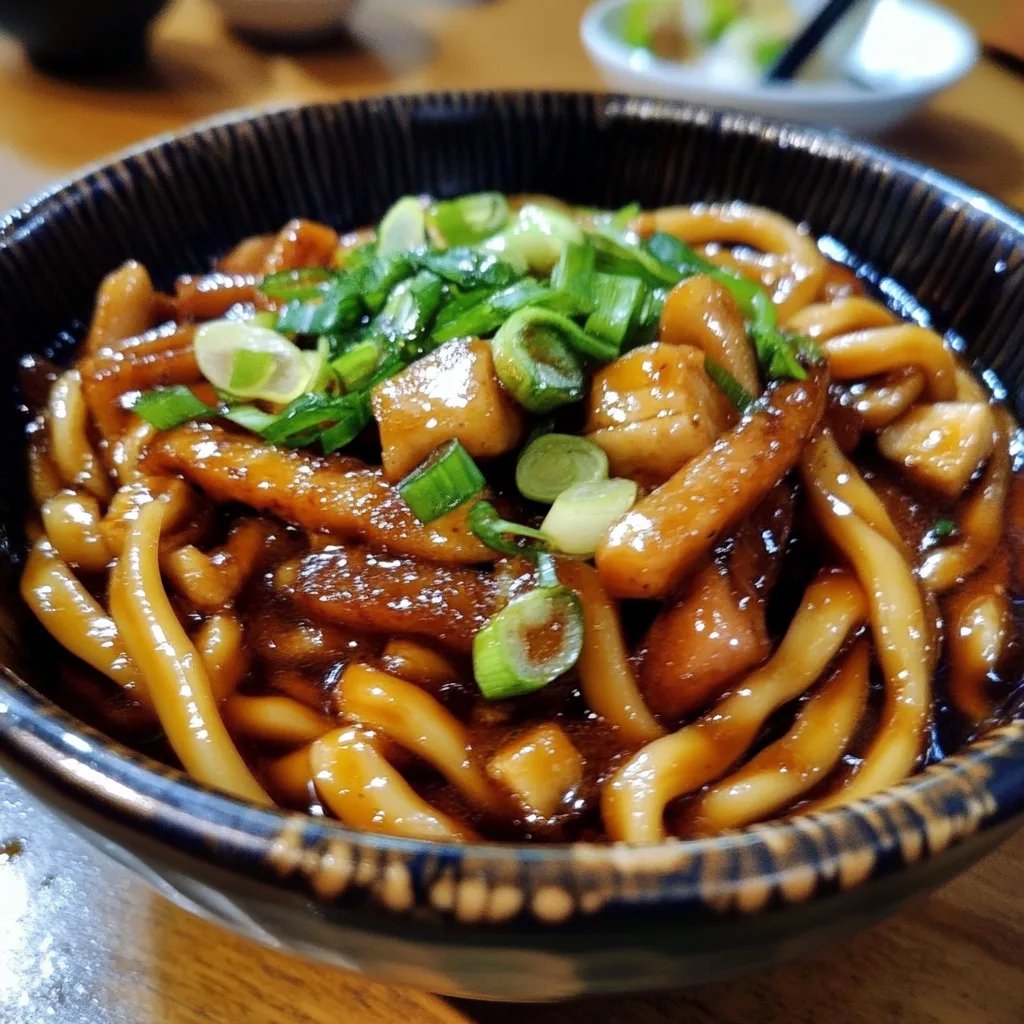
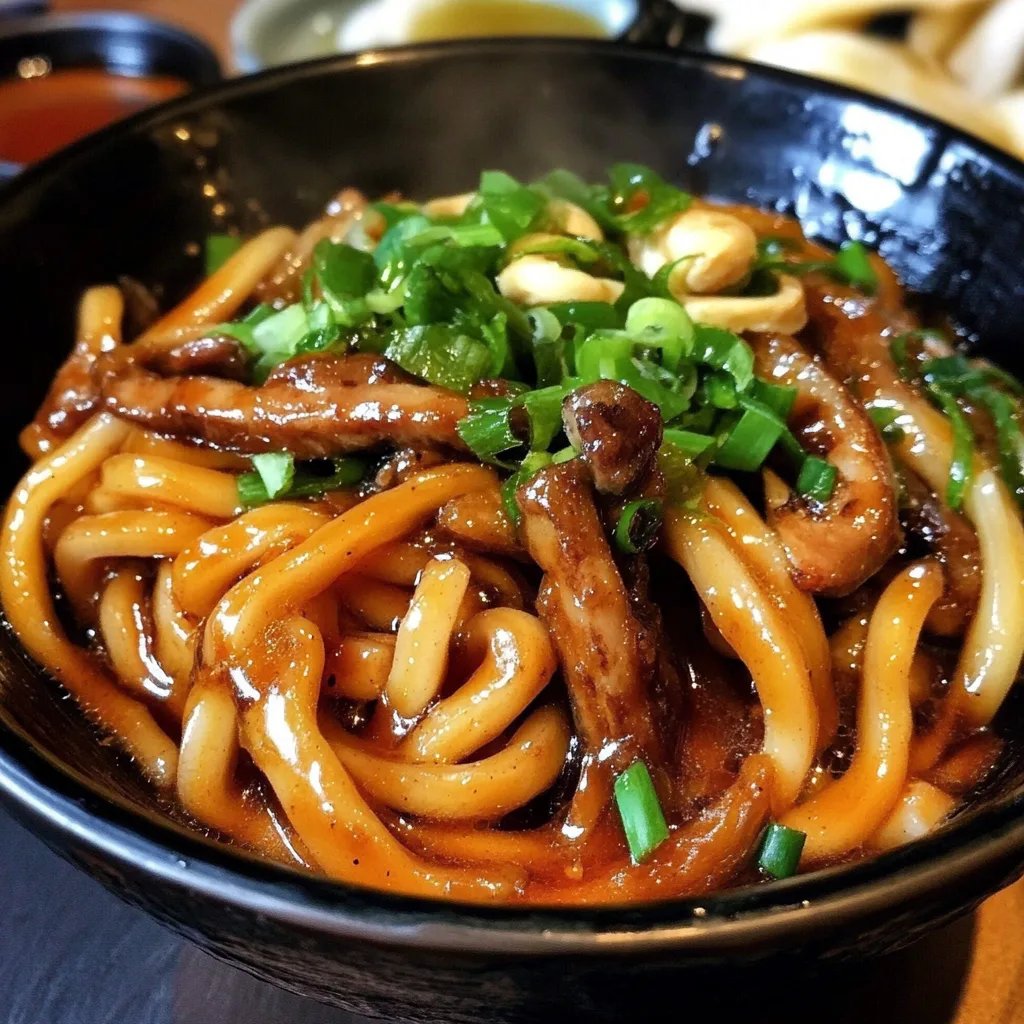
Savor the authentic taste of Japan with this Yaki Udon recipe, featuring thick, chewy noodles stir-fried to perfection with fresh vegetables and a delicious soy-based sauce. Perfect for a quick weeknight dinner or a special occasion, this dish is a delightful harmony of flavors that everyone will love. Easy to make and customizable with your favorite proteins, it's a must-try for any noodle enthusiast!
This Yaki Udon recipe brings the vibrant flavors of Japan right into your kitchen. With each bite, you'll experience the perfect blend of savory and sweet, making it an ideal dish for both casual dinners and special celebrations.
The Rich History of Yaki Udon
Yaki Udon is a beloved dish in Japan, originating from traditional stir-fry techniques that celebrate the nation’s culinary heritage. Udon noodles, which are thick and chewy, are a staple in Japanese cuisine, historically made fresh in regional kitchens. Over time, Yaki Udon has evolved from a simple home-cooked meal into a popular dish served in restaurants and during festivals, embodying the warmth of Japanese hospitality.
This dish not only highlights the versatile nature of udon but also encourages the use of seasonal vegetables. Each bite offers a balance of textures and flavors, making it a complete meal that can be enjoyed by all ages. Whether you’re indulging in a comforting bowl after a long day or serving it as a centerpiece during gatherings, Yaki Udon reflects the heart of Japanese dining culture.
Nutritional Benefits of Yaki Udon
Yaki Udon is not just a delicious choice but also a nutritious one. The udon noodles are typically made from wheat flour, providing a good source of carbohydrates that fuel your body. Combined with fresh vegetables like bell peppers, carrots, and broccoli, this dish becomes a colorful plate offering vitamins and minerals essential for overall health.
Adding your protein of choice, such as chicken, beef, or tofu, enhances the nutritional profile, providing necessary proteins to support muscle repair and growth. With a balance of carbs, proteins, and fiber from the veggies, Yaki Udon can satisfy your appetite while helping you maintain a healthy diet.
Customization and Serving Suggestions
One of the best aspects of Yaki Udon is its versatility. You can easily customize the dish to suit your preferences or dietary requirements. Feel free to switch up the vegetables based on what’s in season or what you have on hand. For a spicier kick, add some chili flakes or a drizzle of chili oil to elevate the flavors.
Serving Yaki Udon is also an opportunity to get creative. Garnish with toasted sesame seeds or a sprinkle of nori (seaweed) for extra flavor and a touch of authenticity. Pair your dish with a side of crispy tempura or edamame to create a well-rounded, delightful Japanese meal experience at home.
Ingredients
For the Yaki Udon
- 300g udon noodles, cooked
- 1 tablespoon vegetable oil
- 2 cups mixed vegetables (bell peppers, carrots, broccoli)
- 3 green onions, chopped
- 2 tablespoons soy sauce
- 1 tablespoon mirin
- 1 teaspoon sesame oil
- Salt and pepper to taste
Optional Protein Add-ins
- 200g chicken, beef, or tofu, cooked and sliced
Adjust the vegetables based on your preference or seasonality!
Instructions
Prepare the Udon Noodles
In a large pot of boiling water, cook the udon noodles according to the package instructions. Drain and rinse under cold water, then set aside.
Stir-Fry the Vegetables
In a large skillet or wok, heat the vegetable oil over medium-high heat. Add the mixed vegetables and stir-fry for about 3-4 minutes until they are tender-crisp.
Combine Ingredients
Add the cooked udon noodles, green onions, soy sauce, mirin, sesame oil, and any optional protein to the skillet. Toss everything together and stir-fry for another 3-5 minutes until heated through. Season with salt and pepper to taste.
Serve
Remove from heat and serve hot, garnished with additional green onions if desired.
Enjoy your homemade Yaki Udon!
Pro Tips
Feel free to customize this recipe by adding your favorite proteins or adjusting the vegetables based on your preferences.
Tips for Perfecting Yaki Udon
To achieve the best results with Yaki Udon, ensure your noodles are cooked al dente before adding them to the skillet. Overcooked noodles can become mushy and lose their appealing texture. Quick stir-frying will help maintain their chewiness and absorb the flavors from the sauce.
Using high-quality soy sauce and mirin will make a noticeable difference in the taste of the dish. Opt for naturally brewed soy sauce for authentic flavor, as well as premium mirin, which adds a subtle sweetness that balances the savory components beautifully.
Storing Leftovers
If you have leftovers, Yaki Udon can be stored in an airtight container in the refrigerator for up to three days. Reheat gently in a skillet over low heat, adding a splash of water or oil to prevent sticking. This method ensures that the noodles stay luscious and the flavors remain vibrant.
For longer storage, consider freezing your Yaki Udon. Place cooled portions in freezer-safe bags, removing excess air before sealing. When you're ready to enjoy, thaw in the refrigerator overnight, and reheat on the stove. While the texture may vary slightly after freezing, the taste will still be satisfactory and delightful.
Yaki Udon Around the World
Though rooted in Japanese culture, Yaki Udon has made its mark globally, inspiring chefs and home cooks alike to create their interpretations. Many variations exist, featuring different proteins, sauces, and additional toppings such as pickled ginger or sliced radishes, celebrating the dish's adaptability.
In addition to enjoying Yaki Udon at home, many Asian restaurants around the world have included it on their menus, often showcasing regional twists that highlight local ingredients. This universal appeal has solidified Yaki Udon as a favorite among noodle lovers everywhere, making it a dish worth exploring in various culinary contexts.
Questions About Recipes
→ Can I use gluten-free noodles?
Yes, you can substitute udon with gluten-free noodles like rice noodles.
→ How can I store leftovers?
Store leftovers in an airtight container in the fridge for up to 3 days.
The Best Yaki Udon
Created by: The Highlevelrecipes Team
Recipe Type: World Cuisine
Skill Level: Intermediate
Final Quantity: 4.0
What You'll Need
For the Yaki Udon
- 300g udon noodles, cooked
- 1 tablespoon vegetable oil
- 2 cups mixed vegetables (bell peppers, carrots, broccoli)
- 3 green onions, chopped
- 2 tablespoons soy sauce
- 1 tablespoon mirin
- 1 teaspoon sesame oil
- Salt and pepper to taste
Optional Protein Add-ins
- 200g chicken, beef, or tofu, cooked and sliced
How-To Steps
In a large pot of boiling water, cook the udon noodles according to the package instructions. Drain and rinse under cold water, then set aside.
In a large skillet or wok, heat the vegetable oil over medium-high heat. Add the mixed vegetables and stir-fry for about 3-4 minutes until they are tender-crisp.
Add the cooked udon noodles, green onions, soy sauce, mirin, sesame oil, and any optional protein to the skillet. Toss everything together and stir-fry for another 3-5 minutes until heated through. Season with salt and pepper to taste.
Remove from heat and serve hot, garnished with additional green onions if desired.
Extra Tips
Feel free to customize this recipe by adding your favorite proteins or adjusting the vegetables based on your preferences.
Nutritional Breakdown (Per Serving)
- Calories: 600
- Protein: 25g
- Carbohydrates: 80g
- Fat: 20g