Easy Korean Bibimbap
Highlighted under: World Cuisine
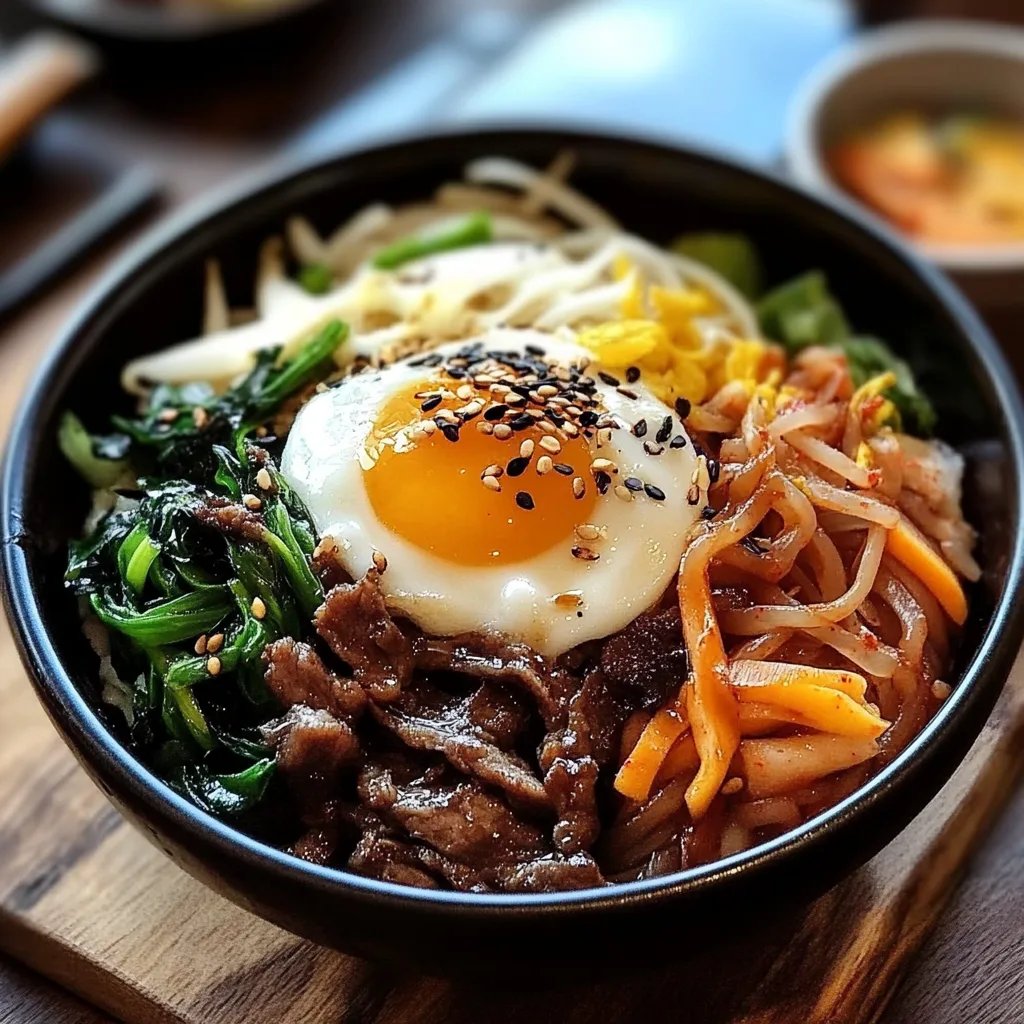
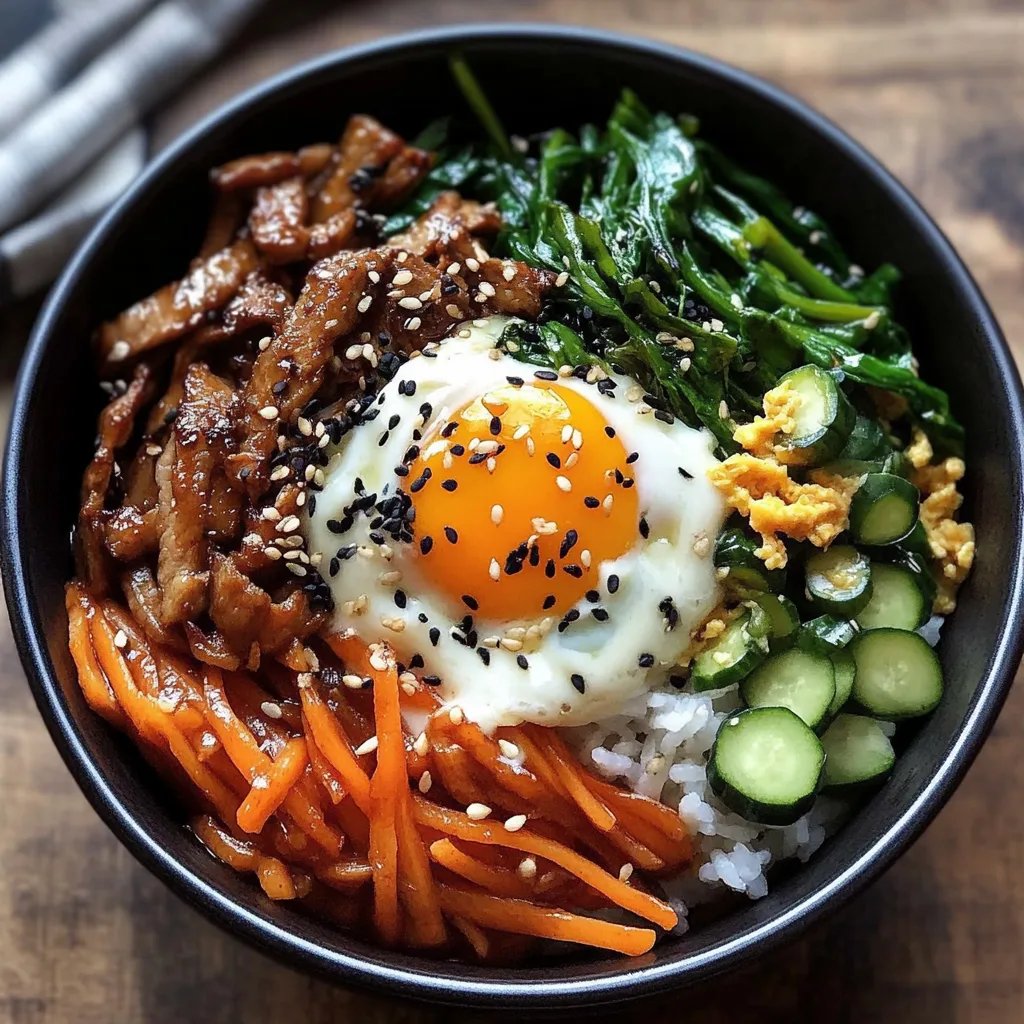
Savor the deliciousness of this Easy Korean Bibimbap recipe, packed with colorful vegetables, tender beef, and a perfectly runny egg. This one-bowl meal is not only visually stunning but also a delightful mix of flavors and textures. Perfect for a quick weeknight dinner or impressing guests, this wholesome dish is versatile and can be tailored to fit your preferences. Enjoy the harmony of ingredients tossed together with spicy gochujang sauce for an authentic taste of Korea.
Why You'll Love This Recipe
- Quick and easy to prepare
- Packed with nutritious ingredients
- Customizable to fit dietary preferences
- Delicious blend of flavors and textures
A Feast for the Eyes and Palate
Bibimbap, which translates to 'mixed rice', is a vibrant Korean dish that combines an array of colorful vegetables, proteins, and a fragrant sauce. This meal is not just a treat for your taste buds but also a feast for your eyes. Each ingredient is deliberately chosen for its nutritional value and unique flavor, ensuring that every bite is a delightful experience.
This recipe for Easy Korean Bibimbap embraces the spirit of traditional cooking while offering a modern twist. With the crunch of fresh vegetables, the tender meat, and a perfectly cooked egg, you will experience a symphony of textures. Top it all off with spicy gochujang, and you have a dish that is not only flavorful but also satisfying.
Healthy and Wholesome Ingredients
The best part about this Easy Korean Bibimbap recipe is its healthfulness. Each component is packed with essential nutrients, making it a perfect meal for anyone looking to eat well without compromising on flavor. Spinach is rich in iron and vitamins, while carrots add a sweet crunch. Zucchini provides hydration and fiber, and shiitake mushrooms add depth with their umami flavor.
Ground beef contributes protein, and the gochujang adds a kick of spice and a burst of flavor without excessive calories. This meal can easily be adapted to be vegetarian or vegan by substituting the beef and egg with tofu or additional vegetables, ensuring that everyone can enjoy this beloved Korean dish.
Mix and Match Your Ingredients
One of the best features of Bibimbap is its versatility. You can tailor the recipe to suit your dietary preferences and seasonal produce. If you are a vegetarian, feel free to skip the beef and eggs entirely, or include tofu, tempeh, or even nuts for added protein. Swap in your favorite vegetables to keep it fresh and exciting with each preparation.
The beauty of this dish lies in its ability to showcase what you have on hand. Whether you prefer bell peppers, bean sprouts, or radishes, the possibilities are endless. Don’t hesitate to experiment and create your own signature version of this classic comfort food.
Ingredients
For the Bibimbap
- 2 cups cooked rice
- 1 cup spinach, blanched
- 1 cup carrots, julienned
- 1 cup zucchini, julienned
- 1 cup shiitake mushrooms, sliced
- 200g ground beef
- 2 eggs
- 4 tablespoons gochujang (Korean chili paste)
- 2 tablespoons sesame oil
- Salt and pepper to taste
- Sesame seeds for garnish
Instructions
How to Make Bibimbap
Prepare the Ingredients
In a skillet, heat a tablespoon of sesame oil over medium heat. Sauté the spinach until wilted, then set aside. In the same skillet, add the carrots and zucchini; cook until just tender. Remove and set aside.
Cook the Beef
In the skillet, add the ground beef. Season with salt and pepper, and sauté until fully cooked. Drain any excess fat and set aside.
Fry the Eggs
In a separate pan, fry the eggs sunny-side up until the whites are set and the yolks are still slightly runny.
Assemble the Bibimbap
In a large bowl, layer the cooked rice followed by the sautéed vegetables, cooked beef, and top with the fried egg. Drizzle with gochujang and sprinkle sesame seeds over the top. Mix everything together before enjoying!
Pro Tips
- Feel free to customize this dish by adding your favorite vegetables or using tofu instead of beef for a vegetarian option.
Storage and Meal Prep Tips
If you're looking to prep meals in advance, Bibimbap is a great option. Cooked rice and sautéed vegetables can be stored in the refrigerator for up to four days. Simply reheat the rice and toppings, fry a fresh egg, and your meal is ready in minutes. Make a bigger batch of gochujang sauce, so you always have it ready for quick meals.
When storing leftovers, keep the ingredients separate to maintain their textures. This way, you can enjoy a fresh bowl of Bibimbap even a few days after cooking. Just remember to add the eggs during reheating for that signature runny yolk on top!
Serving Suggestions
Bibimbap is a complete meal on its own, but you can enhance the dining experience by serving it alongside some traditional Korean side dishes known as banchan. Kimchi, pickled radishes, or a light seaweed salad pairs beautifully with Bibimbap and elevate the culinary experience.
For an authentic Korean dining experience, consider serving your Bibimbap in a dolsot (stone bowl). It retains heat beautifully and gives your rice a crispy bottom layer that adds texture to the dish. The sizzling sound as you mix everything is sure to impress your guests!
Questions About Recipes
→ Can I prepare bibimbap in advance?
While you can prepare the ingredients in advance, it's best to assemble and serve bibimbap fresh to enjoy the best texture and flavors.
→ What can I substitute for gochujang?
If you don't have gochujang, you can use a mix of miso paste and chili flakes as a substitute, though it won't have the same depth of flavor.
Easy Korean Bibimbap
Created by: The Highlevelrecipes Team
Recipe Type: World Cuisine
Skill Level: Intermediate
Final Quantity: Serves 4
What You'll Need
For the Bibimbap
- 2 cups cooked rice
- 1 cup spinach, blanched
- 1 cup carrots, julienned
- 1 cup zucchini, julienned
- 1 cup shiitake mushrooms, sliced
- 200g ground beef
- 2 eggs
- 4 tablespoons gochujang (Korean chili paste)
- 2 tablespoons sesame oil
- Salt and pepper to taste
- Sesame seeds for garnish
How-To Steps
In a skillet, heat a tablespoon of sesame oil over medium heat. Sauté the spinach until wilted, then set aside. In the same skillet, add the carrots and zucchini; cook until just tender. Remove and set aside.
In the skillet, add the ground beef. Season with salt and pepper, and sauté until fully cooked. Drain any excess fat and set aside.
In a separate pan, fry the eggs sunny-side up until the whites are set and the yolks are still slightly runny.
In a large bowl, layer the cooked rice followed by the sautéed vegetables, cooked beef, and top with the fried egg. Drizzle with gochujang and sprinkle sesame seeds over the top. Mix everything together before enjoying!
Extra Tips
- Feel free to customize this dish by adding your favorite vegetables or using tofu instead of beef for a vegetarian option.
Nutritional Breakdown (Per Serving)
- Protein: 30g
- Carbohydrates: 80g
- Fat: 15g