Roasted Veggie Power Bowl
Highlighted under: Light & Wholesome
I love making roasted veggie power bowls for a quick, wholesome meal that’s not only energizing but also packed with flavor. The combination of vibrant vegetables and grains comes together beautifully, making each bite satisfying. I typically use whatever veggies I have on hand, allowing for endless variations. This recipe has truly become a staple in my kitchen, and I can whip it up in under an hour. It’s perfect for meal prep or an effortless lunch or dinner during busy weekdays.
When I first made my Roasted Veggie Power Bowl, I was pleasantly surprised by how simple yet flavorful the dish turned out. The trick I discovered is to mix a variety of veggies that roast well together, allowing their natural sugars to caramelize while adding depth to the flavor. Beyond that, I love trying different seasonings that match my mood and what I have available in my pantry.
As I prepared the bowl, I realized how versatile it is. I often swap ingredients based on the season or what I have left over. This flexibility not only saves me time but also adds excitement to my meal planning. Make sure to roast your vegetables until they are slightly crispy; it adds an amazing texture that complements the grains beautifully.
Why You Will Love This Recipe
- Colorful mix of veggies loaded with nutrients
- Simple preparation that anyone can handle
- Customizable for dietary preferences or seasonal ingredients
Choosing the Right Veggies
One of the joys of making a roasted veggie power bowl is the flexibility in vegetable choices. While this recipe features broccoli, bell peppers, sweet potatoes, and cherry tomatoes, feel free to swap in seasonal vegetables like zucchini, asparagus, or Brussels sprouts. Just ensure they're chopped into similar sizes for even cooking. For denser vegetables, consider parboiling them for a few minutes before roasting to achieve that perfect tender-crisp texture.
When roasting vegetables, the key is to create a balance of flavors and textures. For example, if you're using vegetables that release moisture, like tomatoes, you might want to reduce the cooking time slightly to prevent them from becoming too mushy. Aim for vibrant colors and slightly caramelized edges, which signal that they are deliciously roasted.
Perfecting Your Grain Base
The choice between quinoa and brown rice plays a significant role in the overall texture of your power bowl. Quinoa cooks quicker and has a unique nutty flavor, which complements the sweetness of roasted veggies beautifully. On the other hand, brown rice delivers a chewy bite and a heartier feel. If you opt for quinoa, ensure it’s rinsed before cooking; this will remove any bitter saponins and enhance its flavor.
For meal prep, I often cook a larger batch of grains at the beginning of the week. Store them in an airtight container in the refrigerator; they’ll stay fresh for about 4-5 days. When you're ready to assemble your power bowl, just reheat the grains in the microwave or on the stovetop, adding a splash of water or broth to keep them moist.
Serving and Storing Tips
To elevate your roasted veggie power bowl, consider drizzling additional toppings like balsamic glaze or a squeeze of lemon juice. These add brightness and acidity, enhancing the overall flavor profile. Serve it warm or at room temperature; I find it tastes even better after the flavors meld for a few minutes.
If you're preparing meals in advance, assemble the bowls without the hummus or tahini sauce to prevent sogginess. Store the components separately in the refrigerator. When it's time to eat, just combine everything in a bowl, add your preferred sauce, and enjoy a fresh, vibrant meal.
Ingredients
Ingredients
Vegetables
- 1 cup broccoli florets
- 1 cup chopped bell peppers (red, yellow, or green)
- 1 cup diced sweet potatoes
- 1 cup cherry tomatoes
- 1 tablespoon olive oil
- Salt and pepper to taste
Grains and Toppings
- 1 cup cooked quinoa or brown rice
- 1/4 cup hummus or tahini sauce
- 1/4 cup chopped fresh parsley or cilantro
Instructions
Instructions
Preheat the Oven
Preheat your oven to 400°F (200°C).
Prepare the Vegetables
Toss the broccoli, bell peppers, sweet potatoes, and cherry tomatoes in olive oil, salt, and pepper until coated.
Roast the Vegetables
Spread the vegetables on a baking sheet in a single layer and roast for 25 minutes, or until tender and slightly crispy.
Assemble the Bowl
In a bowl, layer the cooked quinoa or brown rice, then top with the roasted vegetables. Add a dollop of hummus or tahini sauce and garnish with fresh herbs.
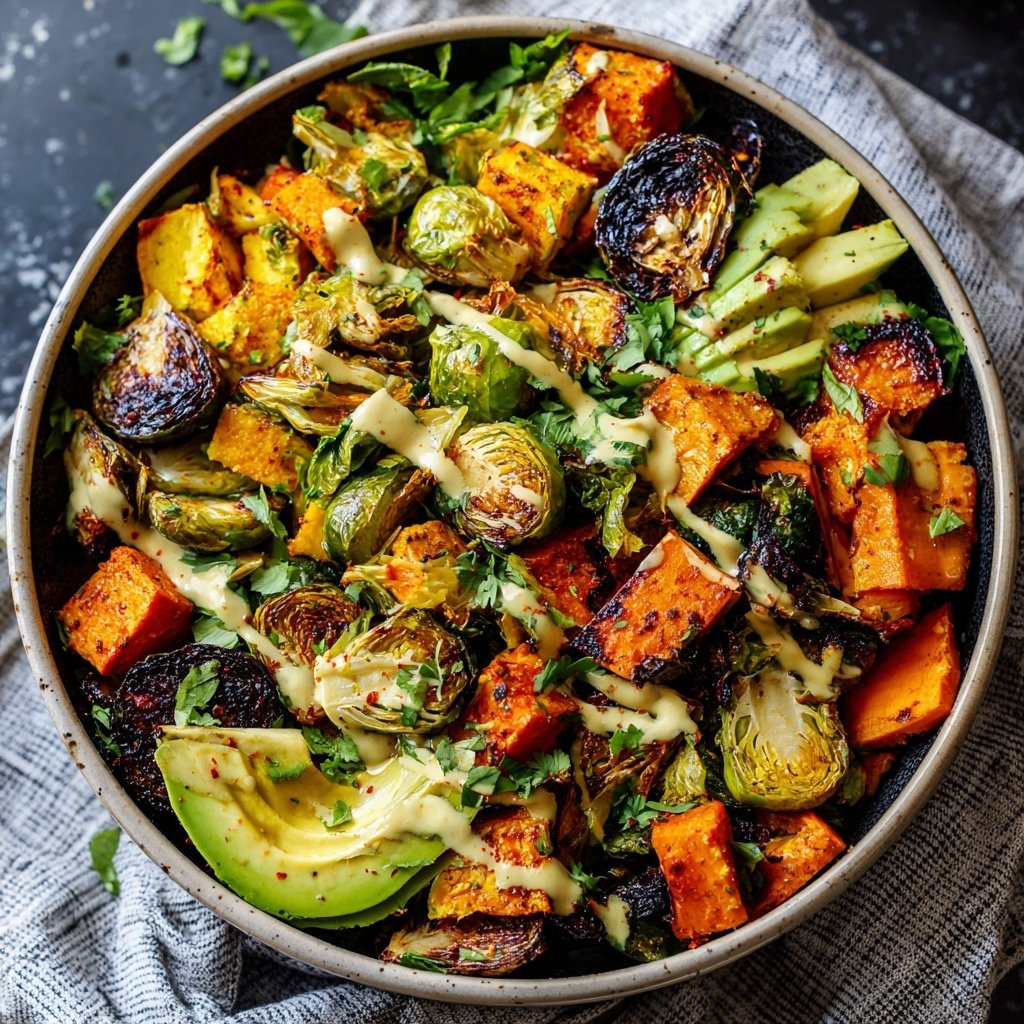
Pro Tips
- Feel free to experiment with different vegetables and grains. Add nuts or seeds for extra crunch, and adjust the seasonings to match your preference.
Ingredient Substitutions
If you're looking for an alternative to quinoa or brown rice, try farro or bulgur for a different texture and flavor. Both grains cook similarly, taking around 15-20 minutes. For a gluten-free option, consider using cooked lentils or chickpeas, which will add protein and fiber to your power bowl.
Vegetable swaps can also be exciting. If you're not a fan of sweetness from sweet potatoes, try roasting carrots or butternut squash for similar results. Even cruciferous vegetables like cauliflower can add a unique flavor and texture, ensuring your bowl remains interesting.
Meal Prep and Freezing
This power bowl is ideal for meal prep. Cook your grains and roast a variety of vegetables at once, then store them in individual containers. This way, you can mix and match throughout the week without getting bored. Prepare the sauce separately to keep it fresh until you’re ready to eat.
If saving for longer periods, you can freeze roasted vegetables. Spread them out on a baking sheet to avoid clumping, freeze until solid, and then transfer to a freezer bag. They can be reheated in the oven to regain their crispness, but be cautious as they may lose some texture during freezing.
Questions About Recipes
→ Can I use frozen vegetables?
Absolutely! Just make sure to thaw and drain the water before roasting.
→ How can I make it vegan?
This recipe is already vegan-friendly; just choose a plant-based sauce.
→ What can I substitute for quinoa?
You can use brown rice, couscous, or even a gluten-free grain like farro.
→ How do I store leftovers?
Store in an airtight container in the fridge for up to 3 days.
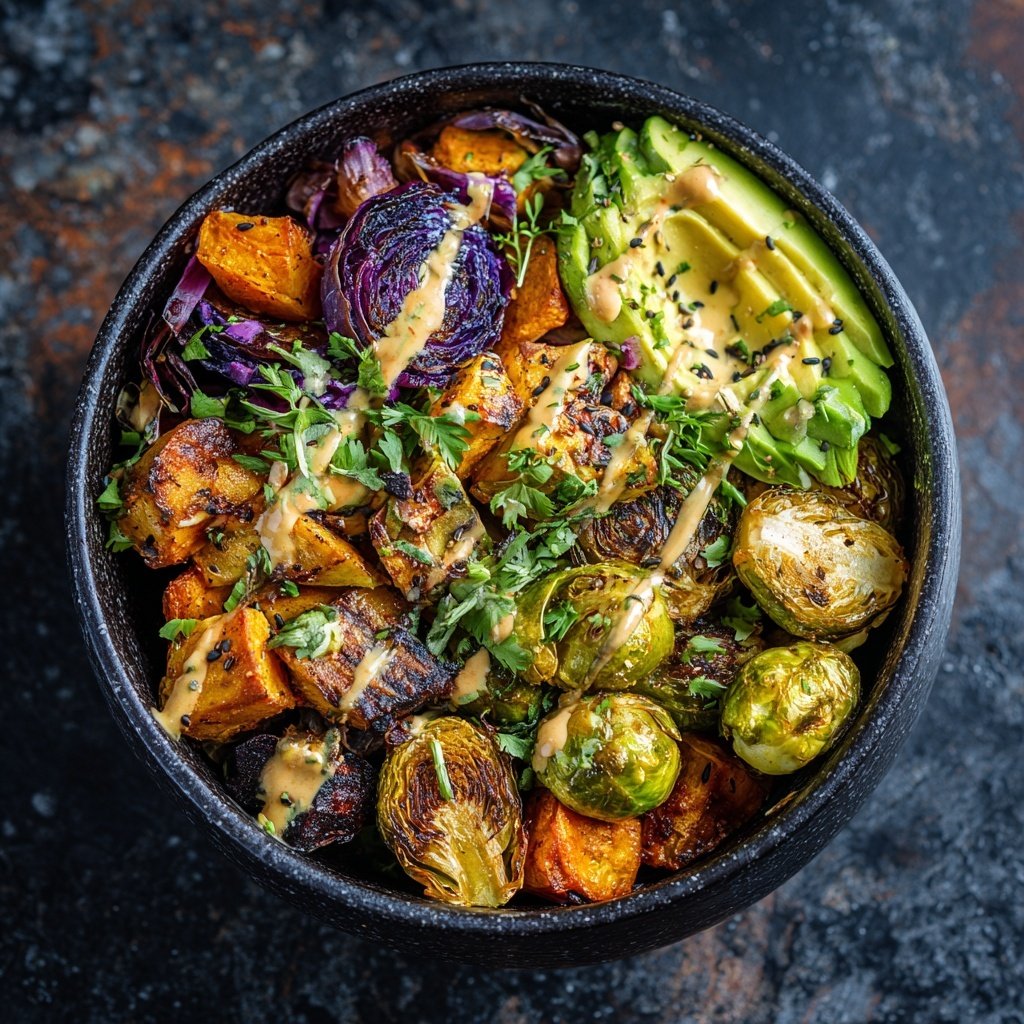
Roasted Veggie Power Bowl
Created by: The Highlevelrecipes Team
Recipe Type: Light & Wholesome
Skill Level: Easy
Final Quantity: 2 servings
What You'll Need
Vegetables
- 1 cup broccoli florets
- 1 cup chopped bell peppers (red, yellow, or green)
- 1 cup diced sweet potatoes
- 1 cup cherry tomatoes
- 1 tablespoon olive oil
- Salt and pepper to taste
Grains and Toppings
- 1 cup cooked quinoa or brown rice
- 1/4 cup hummus or tahini sauce
- 1/4 cup chopped fresh parsley or cilantro
How-To Steps
Preheat your oven to 400°F (200°C).
Toss the broccoli, bell peppers, sweet potatoes, and cherry tomatoes in olive oil, salt, and pepper until coated.
Spread the vegetables on a baking sheet in a single layer and roast for 25 minutes, or until tender and slightly crispy.
In a bowl, layer the cooked quinoa or brown rice, then top with the roasted vegetables. Add a dollop of hummus or tahini sauce and garnish with fresh herbs.
Extra Tips
- Feel free to experiment with different vegetables and grains. Add nuts or seeds for extra crunch, and adjust the seasonings to match your preference.
Nutritional Breakdown (Per Serving)
- Calories: 450 kcal
- Total Fat: 15g
- Saturated Fat: 2g
- Cholesterol: 0mg
- Sodium: 200mg
- Total Carbohydrates: 65g
- Dietary Fiber: 12g
- Sugars: 6g
- Protein: 12g